

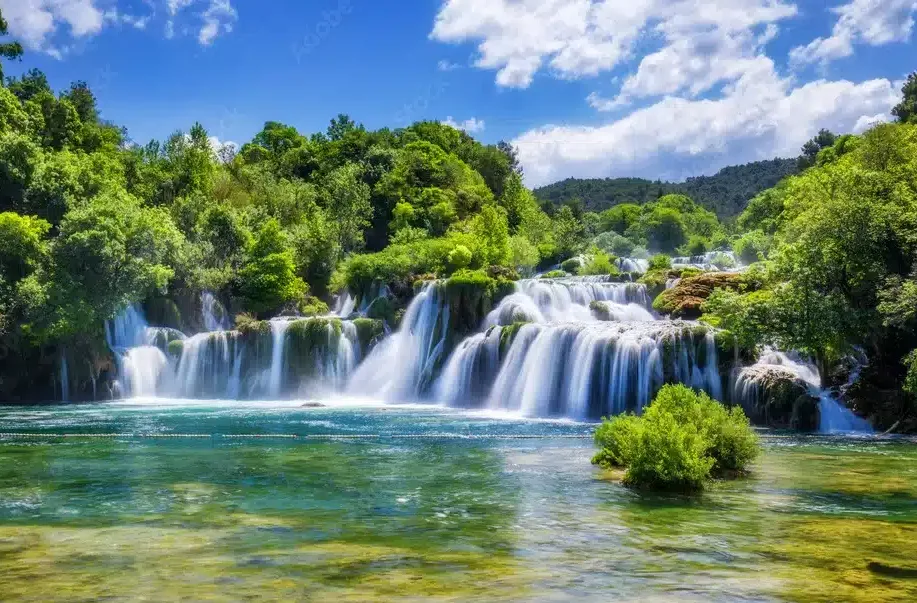
Ever dreamed of a country where the sea meets waterfalls, forests whisper old legends, and islands bloom in untouched beauty? Welcome to Croatia! With its sparkling Adriatic coastline and lush inland landscapes, Croatia is a hidden paradise. And if you’re into nature, you’re in for a treat — this little European gem boasts some of the most stunning national parks on the continent.
But exactly how many national parks does Croatia have? Do you need a tour operator? You can visit the NP Tours Croatia Website. Why are they worth your travel bucket list? Let’s dive in.
How Many National Parks Are There in Croatia?
Contents
- How Many National Parks Are There in Croatia?
- Why Are Croatia’s National Parks Special?
- A Closer Look at Each National Park
- National Parks vs. Nature Parks
- Best Time to Visit Croatian National Parks
- Activities You Can Do in the Parks
- Tips for Visiting Croatia’s National Parks
- The Role of National Parks in Croatian Culture
- National Parks in Croatia for Families and Kids
- How to Get to These National Parks
- FAQs
- Conclusion
Croatia is home to 8 official national parks. These are:
-
Plitvice Lakes
-
Krka
-
Mljet
-
Kornati
-
Paklenica
-
Brijuni
-
Risnjak
-
Northern Velebit
Each park offers a unique flavor of Croatia’s wild side — from towering cliffs and turquoise lakes to ancient forests and unspoiled islands.
Why Are Croatia’s National Parks Special?
Croatia’s parks pack a serious punch when it comes to diversity. You’ll find lush rainforests, alpine peaks, coastal lagoons, ancient ruins, and even a safari park. And let’s not forget the wildlife — bears, lynxes, wolves, dolphins, and hundreds of bird species call these parks home.
They’re also incredibly well-preserved. Croatia takes conservation seriously, making its parks a haven for endangered species and a lesson in sustainability.
A Closer Look at Each National Park
Plitvice Lakes National Park
Probably the most famous, Plitvice Lakes is a fairytale brought to life. It’s a UNESCO World Heritage Site and features 16 cascading lakes connected by waterfalls, wooden trails, and emerald pools. If you’ve seen Croatia on Instagram, chances are it was Plitvice.
Krka National Park
Think Plitvice’s cousin — but with the bonus that you can swim near some of its waterfalls. Skradinski Buk is the highlight, a massive, multi-tiered waterfall that’s perfect for cooling off in summer.
Mljet National Park
Set on a dreamy island, Mljet is home to two saltwater lakes and a Benedictine monastery that sits like a pearl in the middle of the water. It’s peaceful, remote, and best explored by kayak or bike.
Kornati National Park
This one’s for the sea lovers. Made up of 89 islands and reefs, Kornati is all about sailing, snorkeling, and soaking in the endless blue. It’s often dubbed the “nautical paradise” of the Adriatic.
Paklenica National Park
Located in the Velebit mountains, Paklenica is a haven for hikers and climbers. Its deep canyons and rugged cliffs draw adventurers from all over the world.
Brijuni National Park
A mix of natural beauty and cultural history. Once Tito’s private retreat, Brijuni is home to Roman ruins, luxury villas, and a unique safari park with exotic animals like zebras and elephants.
Risnjak National Park
Less touristy but equally stunning, Risnjak is a dense, forested wonderland. If you want to escape the crowds and connect with raw nature, this is the spot.
Northern Velebit National Park
This park is a trekker’s paradise. The Premužić Trail winds through the heart of the Velebit mountain range, offering epic views and peaceful solitude.
National Parks vs. Nature Parks
Croatia has 12 nature parks, in addition to the 8 national ones. The difference? National parks are stricter in terms of conservation and usually more scenic. Nature parks, while still beautiful, may include towns, farms, or other human activity.
So, while both are worth visiting, national parks offer a purer slice of untouched wilderness.
Best Time to Visit Croatian National Parks
-
Spring (April–June): Wildflowers, waterfalls at their best, fewer tourists.
-
Summer (July–August): Ideal for swimming and boat trips, but crowded.
-
Fall (September–October): Gorgeous autumn colors, still warm weather.
-
Winter (November–March): Peaceful and magical, especially Plitvice in the snow.
Activities You Can Do in the Parks
-
Hiking & Trekking: All parks offer trails for every skill level.
-
Swimming: Krka, Mljet, and parts of Brijuni allow swimming.
-
Kayaking & Canoeing: Mljet and Kornati are top picks.
-
Wildlife Watching: Risnjak and Northern Velebit are rich in fauna.
-
Photography: Every corner is Insta-worthy!
Tips for Visiting Croatia’s National Parks
-
Book in advance for Plitvice and Krka, especially in summer.
-
Wear good shoes — trails can be slippery.
-
Pack light but don’t forget water, snacks, and sun protection.
-
Respect nature — stay on marked trails and don’t litter.
-
Check the weather — it can shift quickly in mountainous areas.
The Role of National Parks in Croatian Culture
Croatians take immense pride in their natural heritage. Many locals grew up exploring these parks and passed on stories tied to them. Some parks also feature ancient legends, old pilgrimage paths, or ruins from Roman and Illyrian times.
National Parks in Croatia for Families and Kids
-
Plitvice and Krka are stroller-friendly and safe for children.
-
Brijuni is great for a family day trip, especially the safari park.
-
Mljet offers easy bike paths and calm lake waters perfect for little ones.
How to Get to These National Parks
Most parks are accessible from major cities like Zagreb, Split, Zadar, or Dubrovnik.
-
By car: Renting a car gives you flexibility and is often the easiest.
-
By bus: There are direct routes to Plitvice and Krka.
-
By boat: Kornati, Mljet, and Brijuni require ferry or boat access.
FAQs
1. Are Croatia’s national parks open all year round?
Yes, most are, but hours and accessibility can vary by season. Always check the official website before visiting.
2. Do I need a ticket to enter the parks?
Yes, all national parks require entry tickets. Prices vary by season and park.
3. Can I camp inside national parks?
Camping is allowed in designated areas or nearby campsites, but wild camping is generally not permitted.
4. Which national park is best for a day trip from Split?
Krka National Park is just over an hour from Split and perfect for a day trip.
5. Are pets allowed in national parks?
Yes, but they must be on a leash. Some areas may restrict pet access, especially around swimming spots.
Conclusion
So, how many national parks does Croatia have? Eight, and each one is a world of its own. From waterfalls you can swim under to forest trails where lynxes roam free, these parks are the soul of Croatia’s wild heart. Whether you’re a thrill-seeker, nature lover, or history buff, Croatia’s national parks are waiting for you to explore.
So, pack your boots, grab your camera, and let Croatia blow your mind.
